
7 Simple Ways to Help Your Rescue Dog Settle Into Their New Home

Bringing home a rescue dog is an exciting new chapter, but for your pup, it can also be a big adjustment. New people, unfamiliar smells, different routines and a completely new environment can be a lot to take in. Even the most loving home may feel strange at first!
The good news? You don't need to have everything figured out on day one. With patience, consistency and plenty of love, you can help your new best friend feel safe, build trust and gradually settle into their new life.
Remember, your dog is learning about you just as much as you're learning about them. Here are seven ways to help make the transition a little easier for both of you.
1. Give Them Time to Decompress
After a big change, your dog may need time to relax and process everything around them. While you might be excited to introduce your new companion to friends, family and favourite walking spots, try to keep the first few days calm.
Avoid overwhelming them with lots of visitors, busy outings or too many new experiences at once. Let them explore their surroundings at their own pace, and give them plenty of opportunities to rest.
Your dog may sleep more than usual, seem hesitant or spend time observing everything from a distance. These behaviours can be part of adjusting to a new environment.
Think slow, steady and stress-free. You don't need to fill every moment with activity or affection. Sometimes, simply being nearby and allowing your dog to relax is enough to help them feel more comfortable.
2. Create a Safe, Cozy Space
Every dog deserves a spot where they can relax without feeling overwhelmed. Set up a cozy area with a comfortable bed, familiar toys and fresh water. This could be a quiet corner, a designated room or a crate if your dog is comfortable using one.
Make sure everyone in the household understands that this is your dog's space. When your pup retreats there, allow them to rest without being disturbed by visitors, children or other pets.
A safe space gives your dog somewhere to go when they need a break from all the new sights and sounds. Over time, it can become a familiar place where they feel secure.
If your dog chooses to rest in their designated spot instead of following you around, don't take it personally. They're simply learning that their new home is a place where they can relax.

3. Establish a Consistent Routine
Dogs often feel more secure when they know what to expect. A predictable routine can help your rescue dog understand how their new home works and what comes next.
Try to keep meals, bathroom breaks, walks and bedtime around the same times each day. Consistency can make everyday activities feel less uncertain as your dog adjusts.
You can also introduce simple household routines, such as giving your dog a quiet place to rest after meals or offering a treat when they settle calmly.
Remember that your dog may not know your household rules yet. They might have different habits from their previous home or may never have lived indoors before. Give them time to learn, and try to respond consistently so they can understand what you're asking of them.
4. Let Them Set the Pace
Some dogs are ready to cuddle as soon as they arrive. Others need days or weeks before they're comfortable approaching their new family.
Both experiences are completely normal.
Allow your dog to decide when they're ready for affection. Instead of reaching for them or insisting on cuddles, give them the opportunity to approach you. You can sit nearby, speak gently and offer a treat if they seem comfortable.
Pay attention to their body language, too. Turning away, moving back, yawning repeatedly or avoiding interaction can be signs that your dog needs a little space.
Celebrate the small milestones. Maybe your dog chooses to sit beside you for the first time, approaches you with a favourite toy or finally falls asleep while you're nearby. These moments may seem small, but they can be meaningful signs that trust is beginning to grow.
5. Keep Training Positive
Your rescue dog may not know all the rules of their new home, and that's okay! They might need help learning where to go to the bathroom, how to walk on a leash or which household items are not toys.
Use praise, treats and encouragement to show them the behaviours you'd like to see. Rewarding positive choices helps your dog understand what works while building a trusting relationship with you.
Avoid punishment, shouting or harsh corrections. These approaches can frighten your dog and make it harder for them to feel safe, especially if their history is unknown.
Keep training sessions short and manageable, and focus on one skill at a time. If something isn't working, take a step back and try again later.
For more tips on helping your new buddy adjust to life at home, check out our article, Decoding Your Puppy's Nighttime Crying, which explores why puppies may struggle at night and how you can help them feel more comfortable.
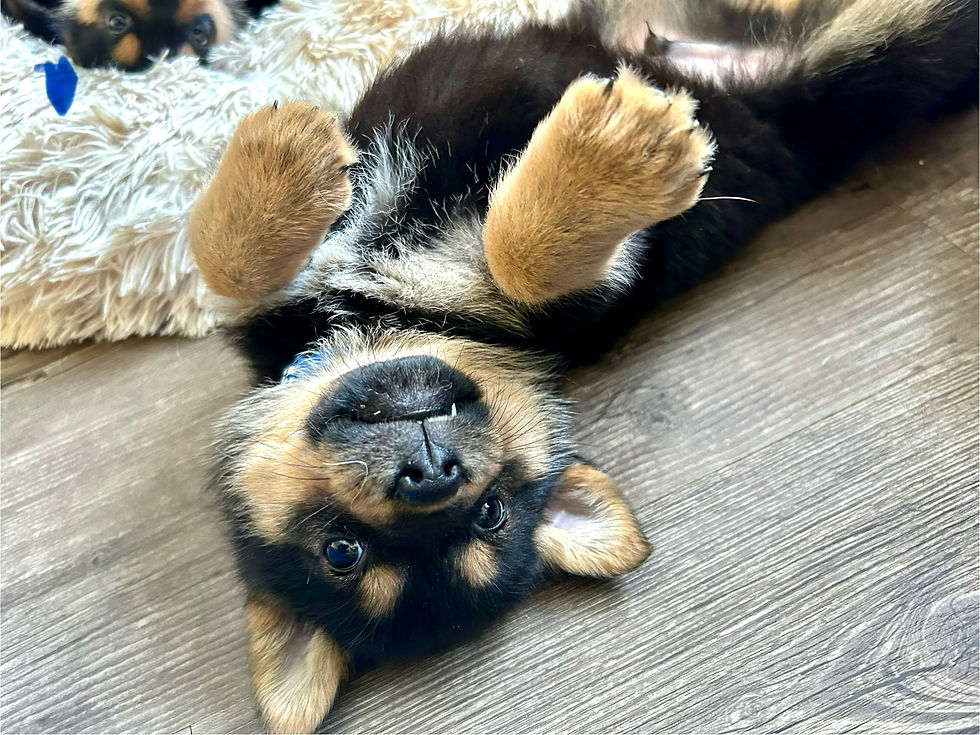
6. Learn Their Body Language
Learning to recognize these signals can help you respond to their needs before a stressful situation becomes too much.
Every dog is different, so look at the whole picture rather than relying on one signal alone.
Give your dog space when they need it, supervise interactions with children and other pets, and avoid forcing introductions. If you're unsure what your dog is communicating, a qualified veterinary or behaviour professional can help you understand their signals.
Respecting your dog's boundaries helps them learn that they can trust you to listen.
7. Be Patient With the Process
Your dog may seem confident one day and nervous the next. They might settle into a routine quickly but take longer to feel comfortable around strangers or unfamiliar dogs.
Try not to compare your dog's progress with another rescue dog's experience. Instead, focus on getting to know their individual personality, needs and preferences.
And one day, you might look over and realize that the dog who once cautiously explored your home is now sprawled across their favourite spot on the couch, happily snoozing as though they've always belonged there.
Those little moments are worth celebrating. They're reminders that trust takes time, and that your patience is helping your dog feel at home.
A Little Patience Goes a Long Way
Adopting a rescue dog is about more than giving them a place to live. It's about providing the time, patience and support they need to feel safe enough to make that place their own.
There may be a few accidents, sleepless nights or uncertain moments along the way.
That's part of the adjustment, and you don't have to get everything right immediately. Take a deep breath, celebrate the small wins and enjoy discovering what makes your new best friend special.
The beginning may require patience, but the bond you build can last a lifetime.

Thinking About Adopting?
Your new best friend could be waiting for you! Visit New Hope Dog Rescue in Saskatchewan to meet the dogs looking for loving homes and learn more about adoption.
Not quite ready to adopt? You can still make a difference! Complete a foster application and help give a rescue pup the love, care and confidence they need while waiting for their forever home.
Every dog is different. If you have concerns about your new dog's behaviour, adjustment or well-being, reach out to a qualified veterinary or behaviour professional for guidance.
Disclaimer: This content is provided for general informational purposes only. It is not a substitute for professional veterinary, behavioural, or training advice. New Hope Dog Rescue is not responsible for any actions taken based on this content. Always consult a licensed veterinarian or qualified professional regarding your pet's specific health, behaviour, or care needs.


